Which Shoes Earn a Place in Your Wardrobe?
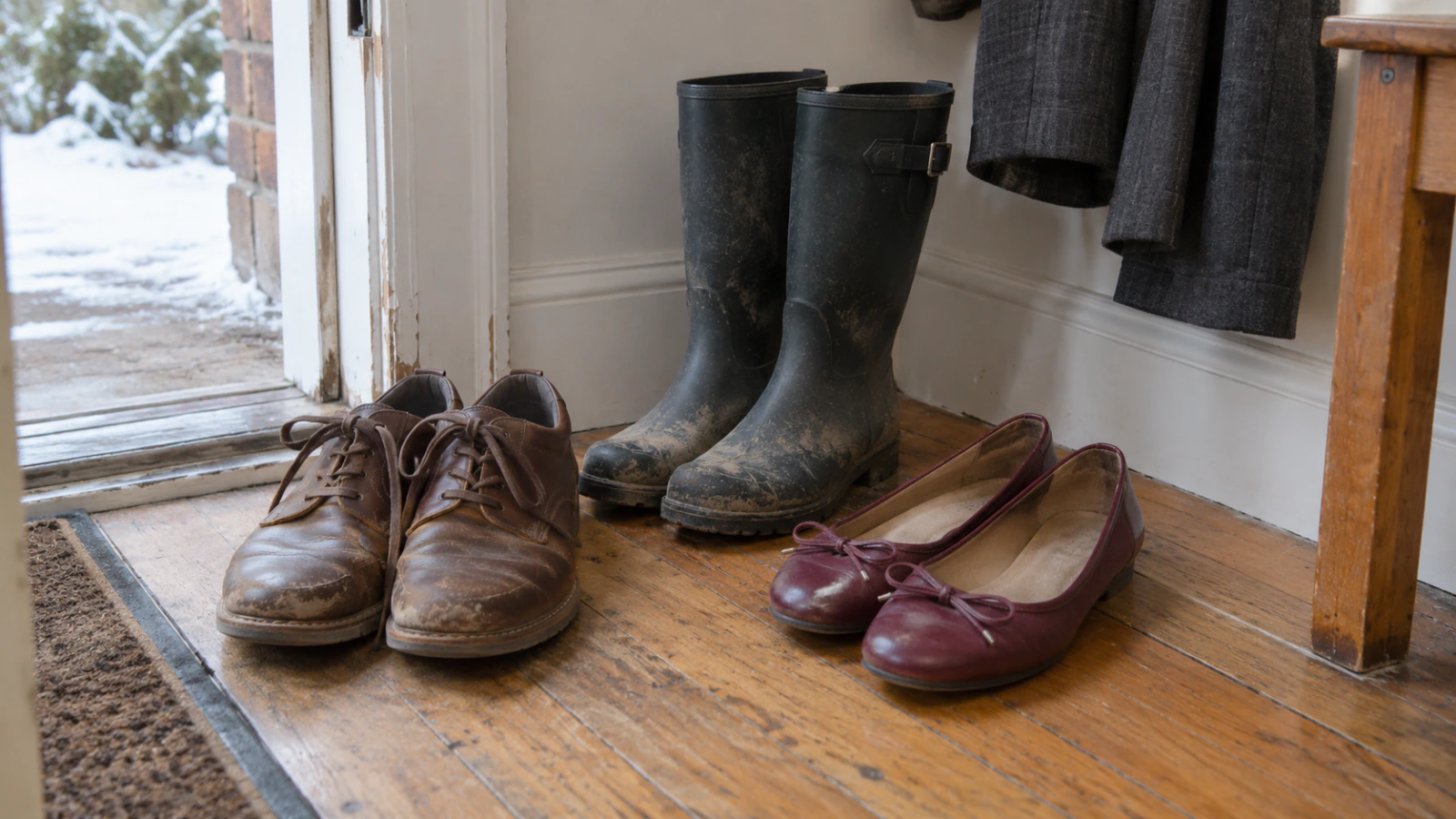
Two pairs of brown lace-ups can look almost identical under navy trousers. Take them off the shelf and walk to the door. One gives your toes room in wool socks and takes the wider hem clear of the floor. The other sits neatly under your summer suit and fits with the fine socks you wear to dinner. Both might earn their space. To build a shoe wardrobe, give each pair a route, an outfit and a second outing. You’ll see fairly quickly which shoes overlap and where you keep wishing for a different pair.
Give the shoes by the door a real week
Take out the pairs you wore over the last few days. For each, write the trip that asked the most of it. Include the surface, the time spent on your feet and the clothes you were wearing. “Boots, office” might mean a five-minute drive and a carpeted room. It might mean a walk through wet slush, a train platform and a staircase while carrying a laptop. Those weeks make very different demands on a shoe rack.
Include the pair you wished you’d worn. Perhaps you went to a standing reception in silver slingbacks and spent a good part of supper nudging a loose strap back up. Perhaps you took the bus in a heavy boot and kept it on for a hot afternoon because you’d left the office shoes at home. Put the missed job beside the shoe. It gives you something specific to try before you set a budget or make space for another box.
Which pairs can share an outing?
Try a week’s routes with a pencil and three candidates. A familiar trainer might cover the walk to work, the supermarket and Saturday coffee. A smooth leather lace-up might cover a meeting and a restaurant. A wet-weather boot might take every outdoor trip during a thaw. Give any of the three another job if you would happily wear it for the whole outing. Leave a blank where your answer is “only until I reach the front steps.”
Compare the fit in the socks you wear
Pick a single pair and lay out the socks or tights you have in mind. Try both shoes with the thinner set first. Stand up, let your toes settle, fasten the shoe as you normally would and walk to the far side of the room. Turn back. Does your heel come with you on the turn? Where does the front of the shoe bend? A strap can sit quietly while you’re standing and start pressing the moment your foot rolls forward.
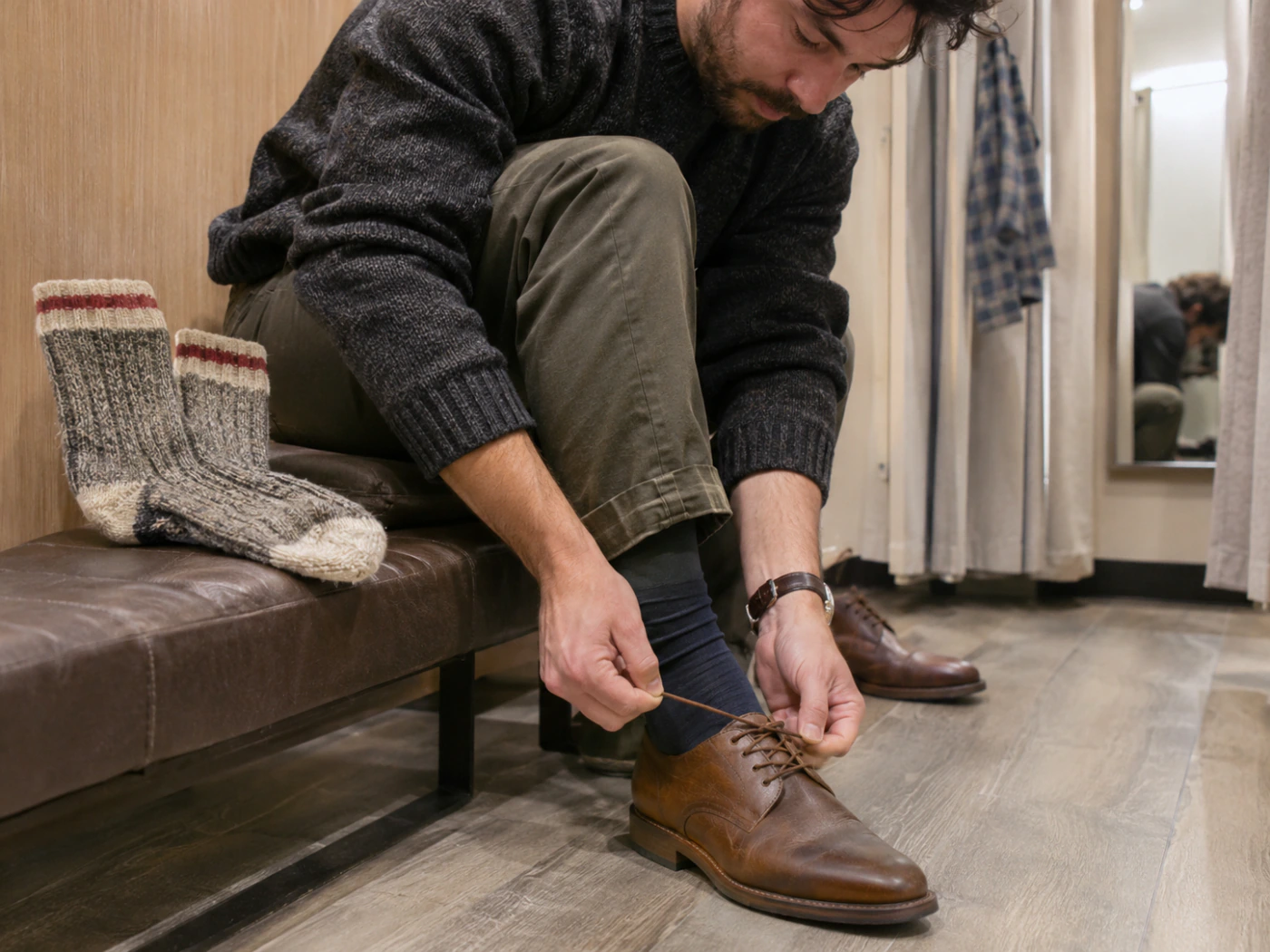
Repeat with the thicker socks. Reset the laces or buckle before drawing a conclusion. If you need the thicker sock to take up space at the heel but it leaves your toes squeezed together, this shape may have a poor match at both ends. Take the observation to a fitting. “The front feels good in this sock and the heel lifts every time I turn” gives someone a better direction than simply asking for a smaller size.
If you’re putting together outfits for the working week, start with the footwear your job requires. Try both shoes on and stand in them for a few minutes. Can your toes move, and does your heel stay put when you take a step? Save any longer test of a new pair for clean surfaces and the return terms the retailer actually allows.
Put a hem over each candidate
Choose one outfit and change just the shoes. Straight charcoal trousers and a cream shirt give you a useful quiet background. Put on slim burgundy flats, then try dark lace-ups with a broader toe. With the flats you might see a strip of sock that picks up the shirt. With the lace-ups the hem might rest on the front for a denser line. Neither effect has to win until you’ve tried walking in it.
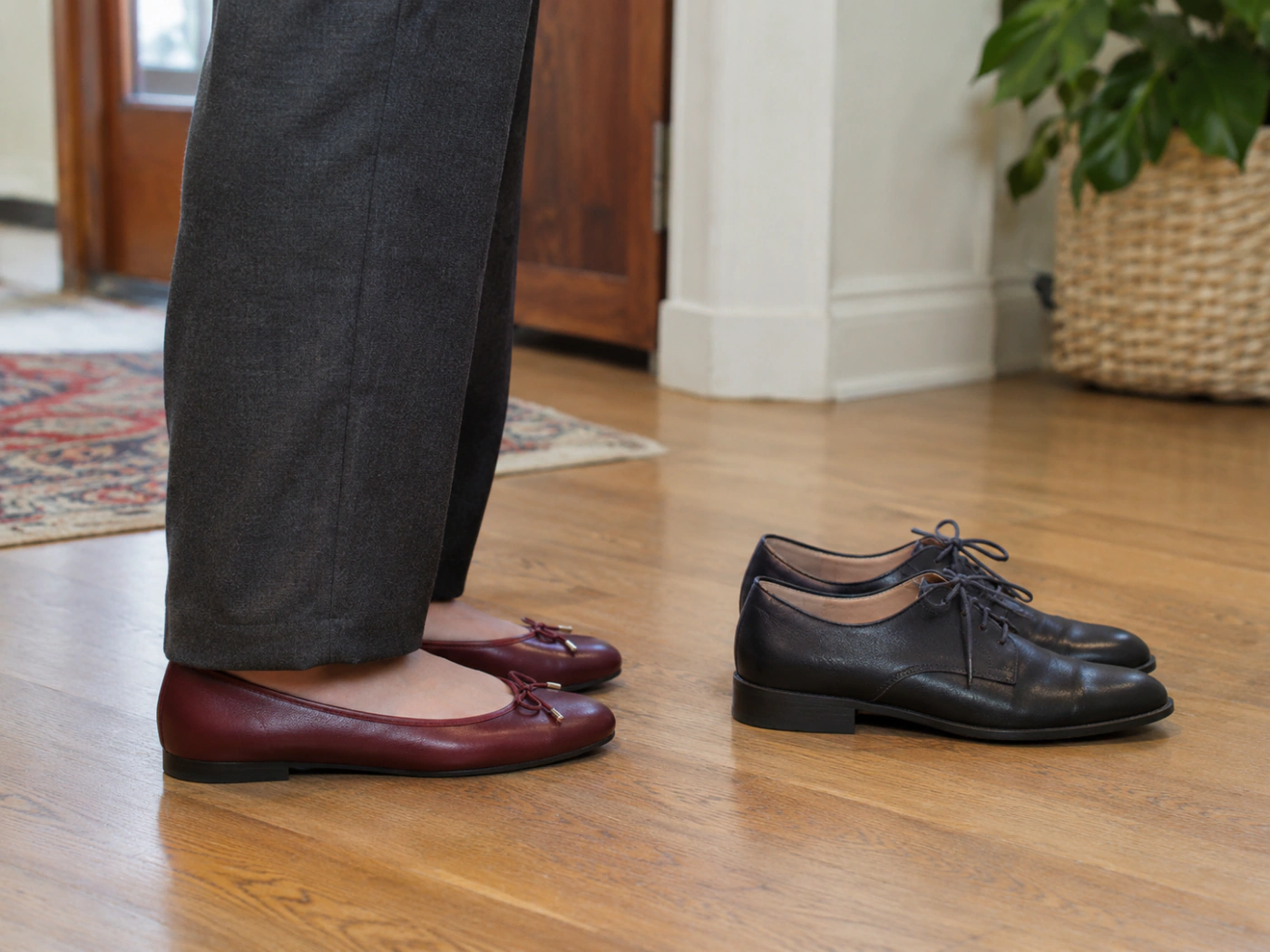
Look from the side and back as well as the front. A full-length trouser leg can brush the floor behind a low heel. A long skirt can land just under a bare heel as you step back. Take a few steps, turn as though someone has called your name, and look where the fabric lands when you stop. If you gather your skirt for every turn, see what happens with a different pair you already own.
Try the pair where the evening changes
A standing dinner can end with a walk on gravel to the car. Check the plan before giving the evening to shoes you’ve only worn on a smooth restaurant floor. A block heel or flat you know well can be an inviting alternative if it works with the length of the outfit. For a suit, put both trouser legs over the shoes and stand back in the light you’ll dress in. See whether you prefer a quieter blend or a distinct change of colour at the ankle.
Where would the second pair live?
A spare pair earns its space by being dry and available when you reach for it. A shoe rotation for two rainy commutes gives each pair a full day to dry. Decide which side of the journey needs the change. At a desk you visit daily, an indoor pair can stay close to your chair if your workplace permits. On a day divided between two offices, any second pair has to ride in your bag alongside lunch. Pack it once and carry the bag around the room. A shoe that drops neatly into a tote at home can still leave you quite a load by the end of the day.
For consecutive wet mornings, put each candidate through three questions.
- Can it take the journey? Check the manufacturer’s description of the finish and the conditions where you would actually wear it.
- Will it be dry when you need it? Open yesterday’s shoes and check inside at the toe as well as at the collar. Follow their care instructions for drying.
- Does it go with the clothes available? Put the second pair under tomorrow’s trouser hem. If that means another pair of trousers, set those out with it.
Read the wear before replacing a pair
Put the right and left shoes side by side on a level surface and look along their edges. Notice an uneven heel, an opening at the sole or a patch that catches your nail. Turn the shoes over and check the area hidden by the arch. A cobbler can assess the construction in person and explain what can be replaced, how much of the original shoe would remain and what the work would cost.
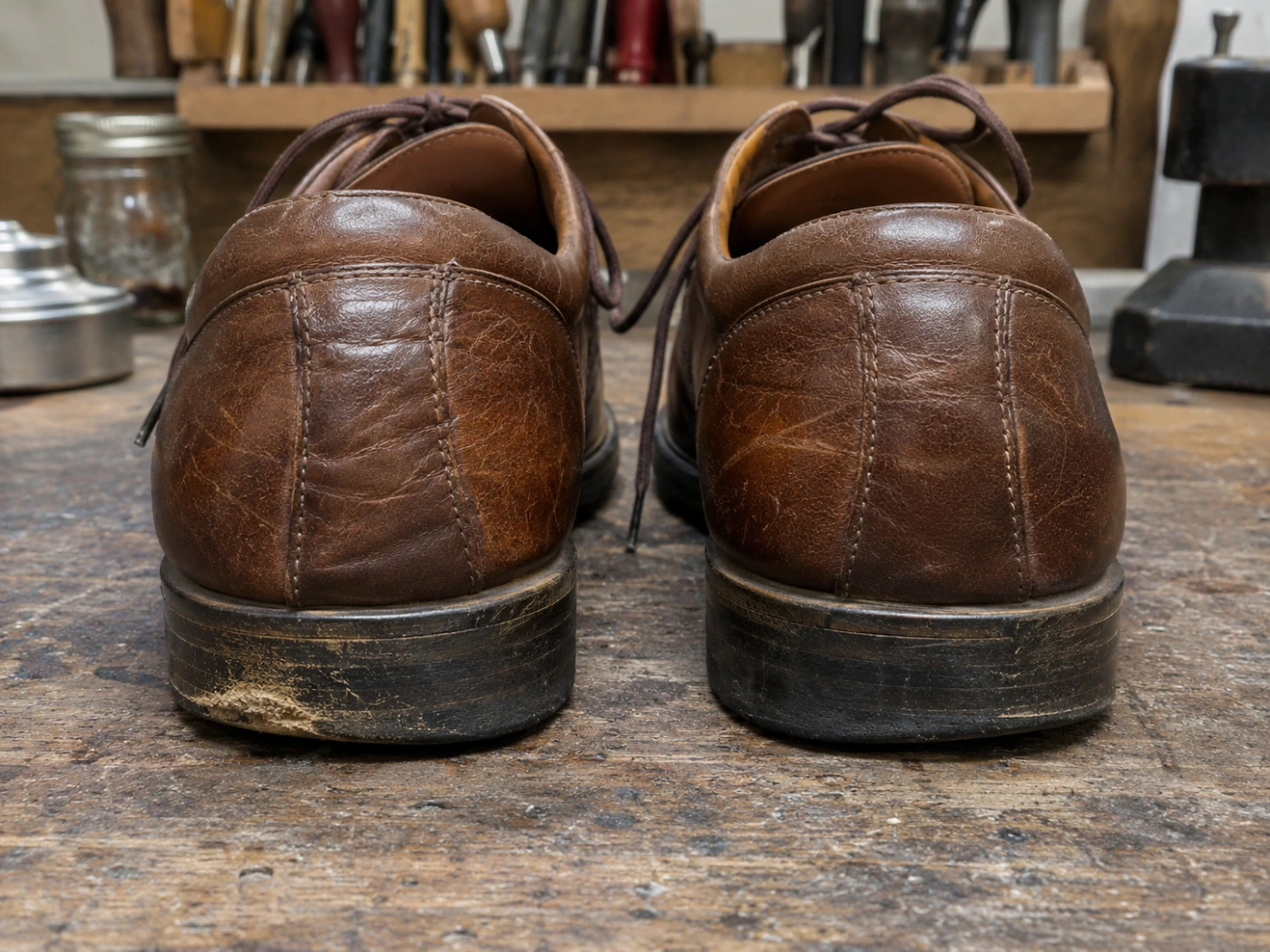
Ask yourself whether you’d choose the shoe with that repair done. A sound new heel can bring back the pair you like wearing with every suit. If the shoes were too tight across the front even when they were new, the heel job answers a different question. Make an after repair list alongside the quote. Include any remaining fit trouble and whether you’ve already found another job for these shoes.
Surface care depends on the actual material. Check before treating a smooth leather toe and the suede panel beside it as one surface. Follow the maker’s instructions, test a suitable product discreetly and let it dry before you judge the colour. For a favourite dress shoe, bring both shoes along if you want a cobbler to look at the finish. Two toes that look alike under a hallway bulb can look quite different by the window.
Set out two outfits for the week ahead. Put shoes and socks beneath each, then give the longer route first choice of footwear. If the same pair wins both times, decide what you’d wear while it was wet or away for repair. The first gap worth filling is the one you can point to on an actual morning.