What to Wear When the Invitation Gives You a Dress Code
A black jacket over a cream shirt can look quite different with its matching trousers than it does over blue jeans. Both outfits might take you to dinner. Which one is right for this dinner? Read the host’s wording, picture the room and put together one outfit you can wear from the arrival through the part of the event you most want to enjoy. You can usually settle the level of dress before deciding on a single new piece.
Read the line the host actually wrote
Find the invitation, booking confirmation or event page. Look for an explicit dress code first. Check for separate instructions for different parts of the day. A couple might ask for covered shoulders during a service and invite everyone to change for a garden supper. A graduation gown can determine what you wear on stage while leaving the afternoon entirely yours. Put any request about clothing or colour into your outfit plan in the host’s own words.
A location tells you quite a lot about the floor and surprisingly little about the people who booked it. The same hotel can hold a black-tie dinner upstairs and a birthday brunch beside the lobby. Use the address to find out about gravel, steps, a coat check or the walk from transit. Use the invitation to decide what you’ll wear once you’re in the room.
Send the question someone can answer
If the wording leaves two possibilities, name them. “I’ve got a dark green trouser suit I’d love to wear. Would that fit what you have in mind for the evening?” is an easier message to answer than “What should I buy?” For a restaurant, give the room and time of the reservation when you ask. A private celebration may have its own arrangements.
For a funeral or memorial, take the family’s notice as your starting point. If they ask guests to wear a particular colour, a scarf, shirt or small piece you already own can meet the request. If all you have ready is a pair of dark trousers and a clean plain shirt, put those together first. A friend offering a jacket can bring it over for a try with the clothes you have. Leave time to get to the service.
Match the dress code to something you own
Smart casual and cocktail
For smart casual, try a familiar outfit with a deliberate finish. Charcoal trousers, a cream knit and polished flats are one possibility. Dark jeans, a button-up shirt and a jacket are another where the host welcomes denim. Try placing the jacket over a chair. If the neatest part of the second outfit is now hanging on the chair, button the shirt cuffs or switch to the knit you like on its own. You’ll see which version you’d be happy to spend dinner in.
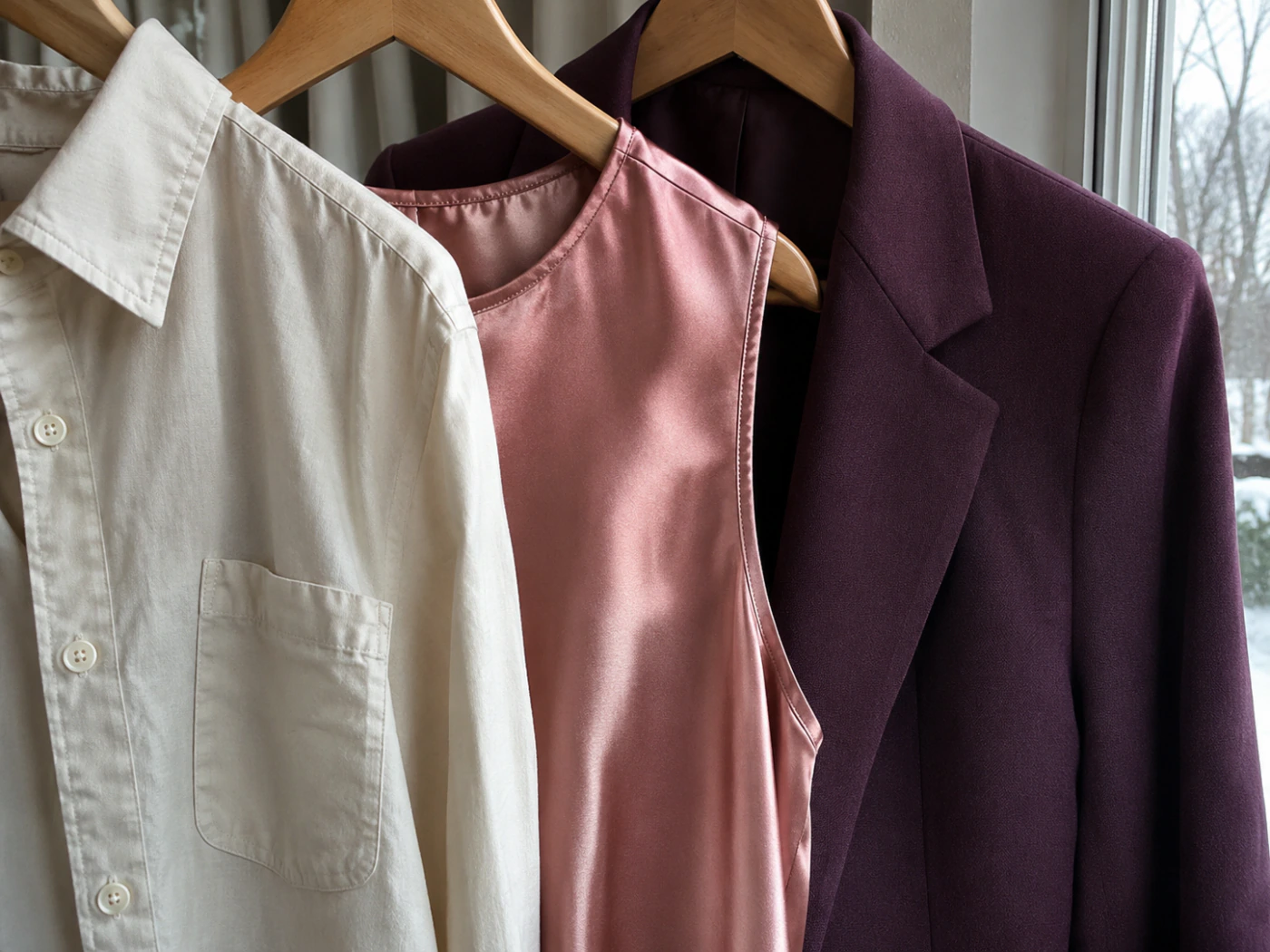
A cocktail invitation generally gives you reason to dress up for the evening. Try a suit with a shirt and tie, a knee-length evening dress or a dressy set of separates suited to the host’s plans. If you’re wearing a suit you already own, check the fit with your shirt and shoes before the day. Hold a matte cotton shirt and a silky shell against the same plum jacket. The cotton gives a familiar daytime outline. The shell catches a small patch of light between the lapels and can feel lovely for dinner. Either may already be in the closet. Look at both with the trousers you intend to wear.
Black tie and black tie optional
Read the whole phrase. With black tie, a conventional route is a dinner suit with a formal shirt and black bow tie, or formal eveningwear such as a long gown. Black tie optional also makes room for a dark suit and tie or dressy evening separates. If you want to wear a formal jumpsuit or an evening suit and wonder how the host interprets the wording, describe the actual outfit.
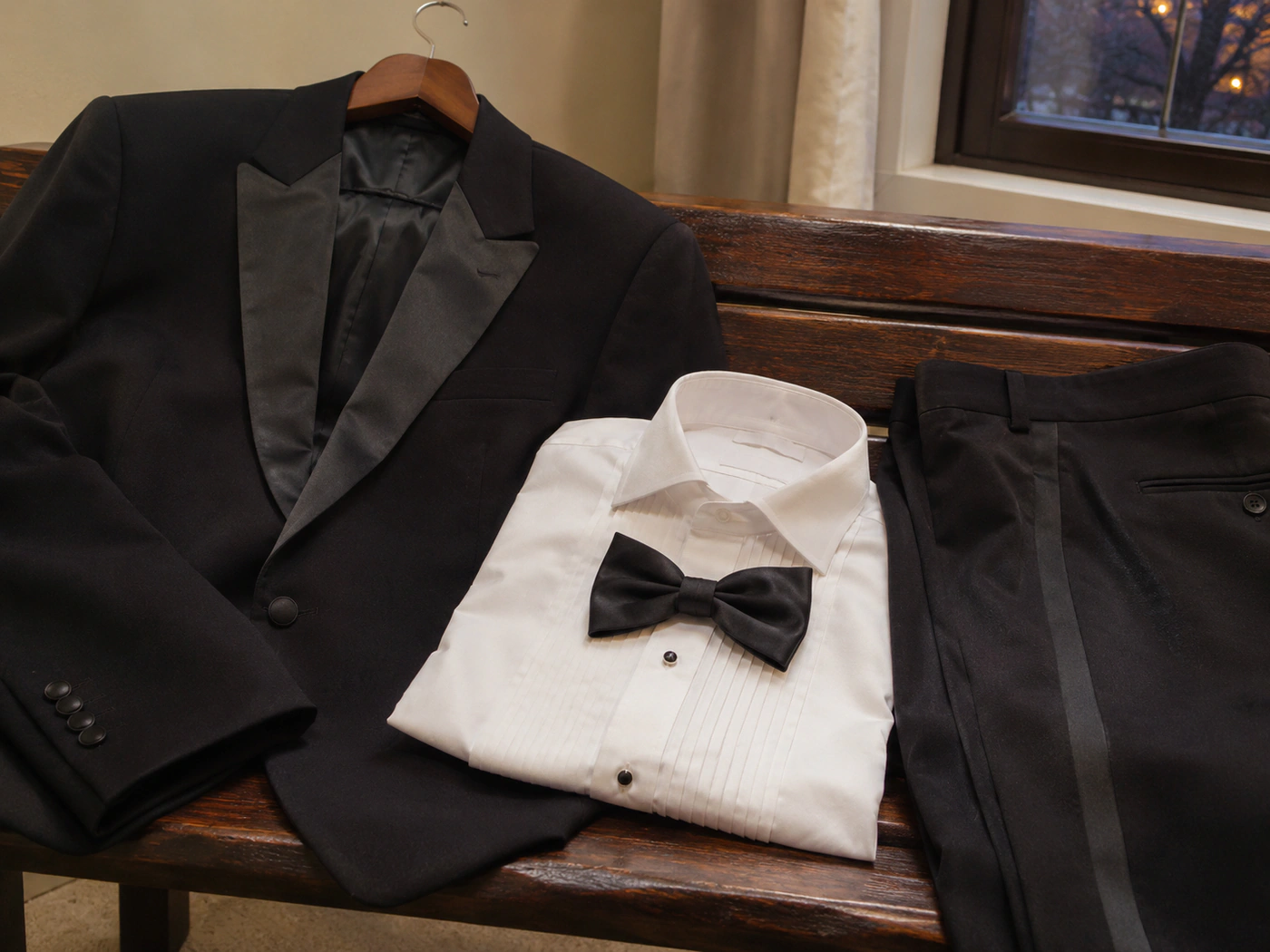
Before reserving anything, lay out what you already have for the occasion. A rented dinner suit may still leave you looking for the right shirt or shoes. A borrowed gown may be ready to wear with your low heels and catch the floor in your flats. Count each missing piece and the time you have to get it. Ask the lender about cleaning, collection and return before giving either outfit the Saturday slot.
Give the same outfit two different evenings
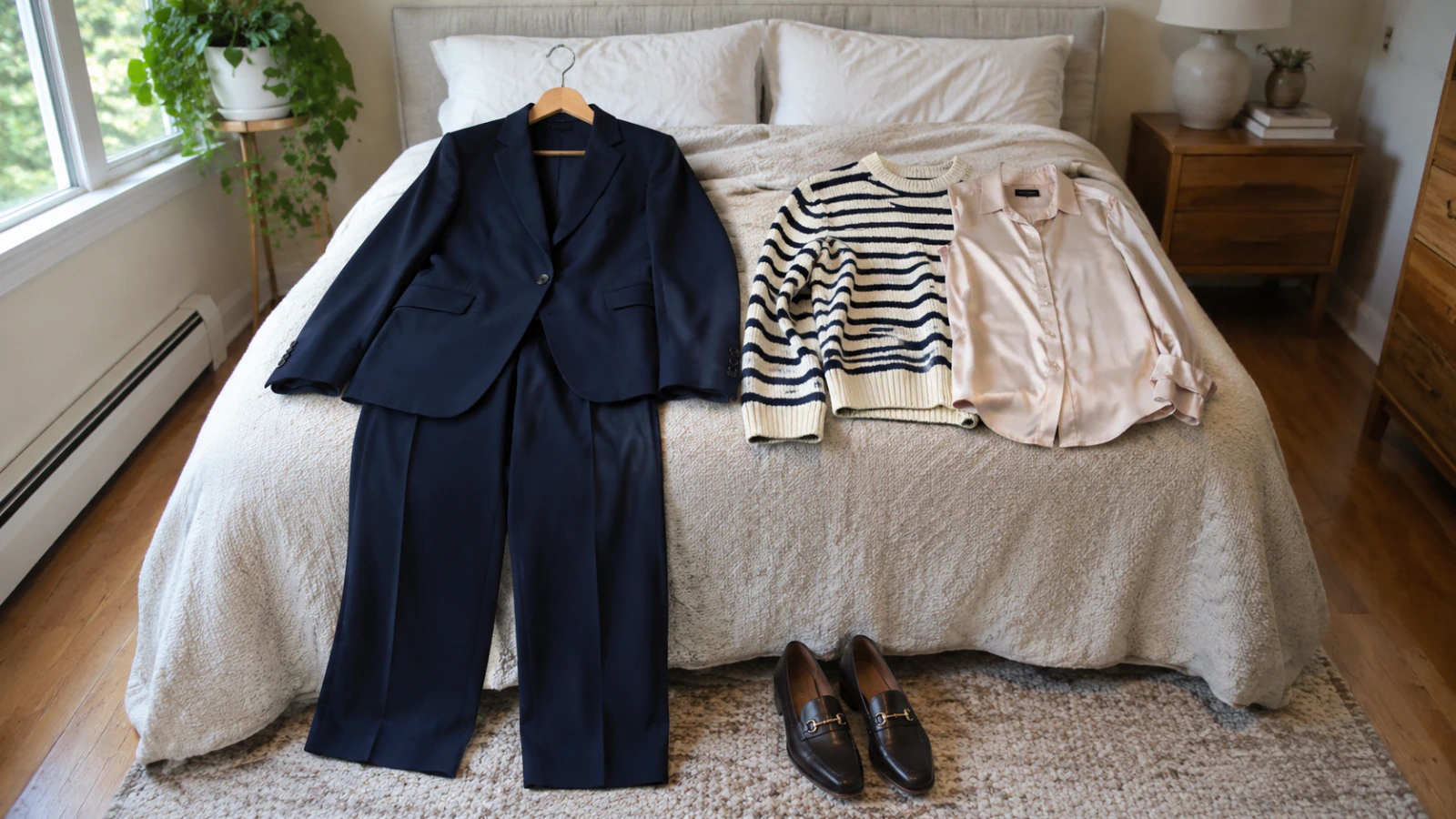
Suppose you own a navy trouser suit that you enjoy wearing. One invitation is for a smart-casual restaurant dinner with a friend. Another is for a wedding reception with a cocktail dress code. Start both outfits with the jacket and trousers. Stand far enough from the mirror to see your collar and shoes together. Here’s where the details can do some real work.
- Restaurant dinner. Try a striped knit, the navy trousers and loafers you know from your walk home. Add the jacket for the journey. A little stripe left visible at the cuff can be all the pattern you want.
- Wedding reception. Keep both parts of the suit together. Try a pale shirt and a tie you enjoy, or a softly draped evening top. Give the shoes a turn on a floor like the one you’ll be standing on during drinks.
- One check for both. Take the jacket off and sit down. Is there a pocket for the item you need? Do you like the shirt or top from across the table? Put the jacket back on and look at the complete outfit once more.
Give yourself permission to keep the same shoes for both evenings if they suit the invitation and feel good underfoot. Try choosing accessories with the whole outfit on. A fine earring beside the ear or a different fold at a pocket can change what someone sees at conversation distance. A second pair of shoes only changes the evening if you want to wear them.
What will happen between the front door and the table?
Picture the event in order. At a winter wedding you might spend six minutes walking from the car, half an hour greeting people in a drafty entrance and most of the evening in a heated room. Try the coat closed over the clothes you mean to wear. Reach out to greet someone. If the jacket underneath folds up behind your shoulders, try a roomier coat. A wrap that looks beautiful at dinner can travel inside it.

For an outdoor invitation, find out where people actually sit. A picnic bench, a blanket and a folding garden chair ask different things of a skirt. Sit at a similar height at home. Reach for the imaginary bowl on your left, then get up the way you normally do. A dress with a slit may shift farther on the blanket than it does on a dining chair. Try a fuller skirt or trousers if you want both hands available to pass lunch.
Take the shoes off once
At a house party, ask whether the host prefers shoes off indoors. If they do, try the whole outfit in your socks or tights. A trouser hem that looked lovely over a boot can pool around your heel in the kitchen. Try another pair of trousers or ask about bringing clean indoor shoes if you need them. Set those by the door with the dish you’re taking so the host can point you to a chair when you arrive.
Decide what deserves the hanger for the evening
Start with the outfit that meets the host’s request. In that outfit, try the movement you’ll repeat most often. That might be greeting people at a reception, handing a child a graduation program or sitting still through a matinee. Keep the element that made you want to wear it in the first place. A berry-coloured lining that only shows when you take the jacket off counts.
Lay out the clothes, shoes and any pieces you promised to bring. If someone has lent you a jacket, put the return date in your calendar and their hanger somewhere you’ll find it. If you already own everything, spend those last few minutes getting the outfit ready. The next time an invitation says cocktail, “navy suit, pale shirt, brown shoes, comfortable through supper” will give you a very good place to start.